Green Remodeling: What Actually Saves Energy, Water and Waste
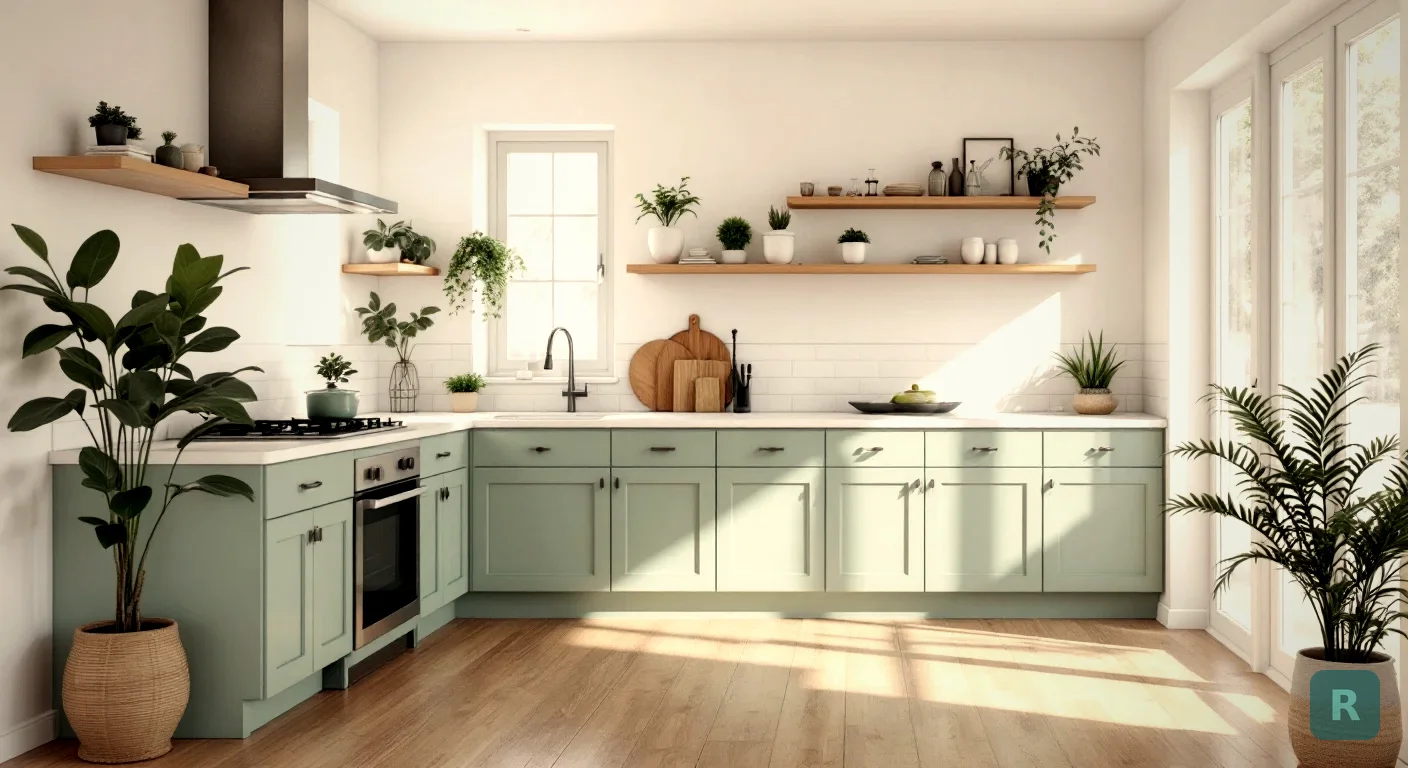
What Green Remodeling Really Comes Down To
- The greenest material is the one you don’t throw away. Keeping sound cabinets, floors and framing beats any eco product you could buy to replace them.
- Open walls are your one cheap shot at insulation and air sealing. Once the drywall goes back up, that chance is gone for another 20 years.
- Water savings are the easiest win. WaterSense fixtures cost about the same as standard ones and use less water every single day.
- The federal 25C tax credit is gone for anything placed in service after December 31, 2025. Check your utility and state instead.
- Redoing a remodel you didn’t like is the least green thing you can do. Seeing the finished room before demo day prevents it.
Most people hear “green remodeling” and picture bamboo floors, solar panels and a big price tag. That’s the marketing version. The real version is a lot more boring, a lot cheaper, and it starts with a question most contractors never ask: what in this room can stay?
I’ve spent 20+ years in kitchens and bathrooms, and the most wasteful jobs I’ve seen weren’t the ones with the wrong countertop. They were the ones where everything got torn out because it was easier to bid that way, including stuff that had decades of life left in it.
Start With What Stays, Not What Goes
Every remodel has a demo pile. The size of that pile is the biggest green decision you’ll make, and it gets made before anyone talks about materials.
Remodeling is a big part of that number. Here’s what I look at before I let a single thing go in the dumpster:
- Cabinet boxes. Solid plywood boxes in good shape can be refaced or painted. New doors and drawer fronts give you a new look without hauling the whole kitchen to the landfill. I covered the numbers in cabinet refacing cost.
- Hardwood floors. Real hardwood under old carpet can often be sanded and refinished. Ask before anyone rips it out.
- Tubs and sinks. A cast iron tub with a sound finish is worth keeping. They’re heavy, they hold heat, and the replacement is often a thinner acrylic unit.
- Framing and layout. Moving a wall or a toilet drain creates the most waste and the most cost. Keep the plumbing where it is and you save on both.
Look, sometimes the old stuff has to go. Particleboard cabinets with water damage under the sink aren’t worth saving. But “has to go” and “easier to bid if it all goes” are two different things.
Usable cabinets, doors, fixtures and lighting can often be donated to a Habitat for Humanity ReStore or a local building salvage yard. Call your nearest store first, since what they accept varies. Ask your contractor to pull those pieces carefully during demo instead of swinging a bar at them.
Fix the Walls While They’re Open
This is the part of green remodeling nobody sees, and it’s the part I care about most. Once the drywall is off, you have access to everything that controls how much energy the room wastes.
Here in the Pacific Northwest, I open walls and find gaps in insulation, no air sealing at all, and sometimes rot from years of moisture getting in. Older homes especially. You can’t fix any of that from the outside of a finished wall without tearing it up again.
So while it’s open:
- Insulate exterior walls that are empty or half-full.
- Air seal around plumbing and electrical penetrations, top plates and window rough openings.
- Fix the moisture problem, not just the rotted wood. Rot is a symptom. If water’s getting in, new insulation will just get wet too.
- Upgrade the exhaust fan in a bathroom so moisture actually leaves the house.
None of this shows up in a before-and-after photo. That’s exactly why it gets skipped. It’s also why I’d rather spend money here than on an “eco” countertop.
Water: The Easiest Green Win in the House
Bathrooms and kitchens are where the water goes. Efficient fixtures are the one green upgrade that usually costs you nothing extra, because the WaterSense label shows up on standard-priced fixtures from the same brands you’d buy anyway.
| Fixture | Federal Maximum | WaterSense Labeled |
|---|---|---|
| Toilet | 1.6 gallons per flush | 1.28 gallons per flush or less |
| Showerhead | 2.5 gallons per minute | 2.0 gallons per minute or less |
| Bathroom faucet | 2.2 gallons per minute | 1.5 gallons per minute or less |
A few things I’d tell my own mom before she picked fixtures:
- Don’t buy the cheapest low-flow toilet. A toilet that needs two flushes isn’t saving water. Look for a solid flush rating.
- Showerhead flow is per shower compartment. Two big rain heads running at once can wipe out the savings.
- Insulate hot water lines while the walls are open. It’s cheap and you stop waiting for hot water.
If you’re already doing a shower remodel or bathroom upgrades, this costs you almost nothing to add to the plan.
Materials That Matter and Ones That Are Mostly Marketing
This is where green remodeling gets oversold. A lot of “eco” products cost more and do less than the boring option.
Here’s how I sort it:
Worth paying attention to:
- Low-VOC or zero-VOC paints and finishes. You’re breathing that air. They’re widely available now and priced close to standard paint.
- Durable materials over trendy ones. Porcelain tile that lasts 30 years is greener than a “sustainable” floor you replace in 8.
- Moisture-resistant materials in wet areas. Proper waterproofing behind tile keeps you from redoing the whole shower in 10 years.
Mostly marketing:
- Exotic “green” materials shipped across the world. A local, durable product usually wins.
- Paying a premium for a label on something that fails early. If it doesn’t last, it isn’t green.
- Tearing out working appliances to buy efficient ones before the old ones are done. Replace at end of life, and buy efficient then.
The federal Energy Efficient Home Improvement Credit (25C), which covered things like insulation, windows and heat pumps, is not allowed for property placed in service after December 31, 2025, according to the IRS. If a salesperson leads with a federal credit on a 2026 job, ask them to show you. Check your electric utility and state energy office for current rebates instead.
The Remodel You Redo Is the Least Green One
Here’s the angle nobody puts in an eco guide. The most wasteful remodel is the one you tear out in three years because you never liked it.
I’ve watched it happen. Homeowners pick tile off a small sample, cabinets off a showroom photo, paint off a chip. Then the room’s done and it doesn’t feel right. Some people live with it. Others rip it out, and that’s a second demo pile, a second set of materials, and a second bill.
For years I had clients search Pinterest and then showed them photos of my past jobs to help them picture it. That’s a clunky process, and it never showed them their own room. This is the exact gap ReVision AI was built to close.
Want to see whether a “keep and refresh” version looks as good as a full gut? Snap a photo of the room and try a style like Organic Modern or Biophilic. Check out the before and after gallery to see what that looks like on real rooms.
How to Plan a Green Remodel Without Overpaying
You don’t need a “green contractor” or a special certification to do this right. You need a plan and a contractor who’s honest about what’s worth keeping. Good, fast, or cheap, pick two. Green adds a fourth: done once.
Cabinet boxes, floors, tubs, trim and layout. Write it down before anyone bids, so every bid covers the same scope.
Take a photo and try a few styles in ReVision AI. Compare the keep-and-refresh version against the full gut before you commit to either.
If the walls are coming open, it should be in the bid. If it isn't, ask why not.
WaterSense toilets, showerheads and faucets. Order early, since some fixtures take weeks to arrive.
Line up a ReStore or salvage yard and tell your contractor which pieces to pull out carefully.
Your Green Remodel Checklist
Print this, take it to every contractor meeting, and see who takes it seriously:
- List every cabinet, floor, fixture and trim piece that can be kept or refinished
- Visualize the finished room before demo so you only build it once
- Confirm the bid includes insulation, air sealing and moisture repair if walls open
- Upgrade the bathroom exhaust fan so moisture leaves the house
- Choose WaterSense toilet, showerhead and faucets
- Use low-VOC paint and finishes
- Replace appliances at end of life, not before
- Check utility and state rebates, not the expired federal 25C credit
- Arrange donation or salvage for usable pieces before demo day
- Keep a 15-20% contingency, because hidden work behind walls is real
See what your room could look like with what you already have. Download ReVision AI and try 3 free transformations, or compare plans on the pricing page.
Get Design Inspiration Weekly
Fresh room makeover ideas, renovation tips, and style guides delivered to your inbox.
Design tips and inspiration only. Unsubscribe anytime.
Related Articles
House Modification for Aging in Place: What to Change, Room by Room
A house modification plan for aging in place: ramp math, door widths, first-floor living, kitchen changes and who helps pay, room by room, from a carpenter.
9 min readGAF Virtual Remodeler: How to Use It and What It Won't Tell You
How to use the GAF Virtual Remodeler to try shingle colors on a photo of your own house, the photo tips that matter, and what to check before you buy.
7 min readHandyman Remodeling: Where a Handyman Job Ends and a Real Remodel Begins
Can a handyman remodel your bathroom or kitchen? A third-generation carpenter on state dollar limits, permits, and where a refresh turns into a remodel.
8 min read